
 +81-735-29-1717

Nearby Attractions
Kumano Santo
Kawayu, Watase, and Yunomine—
These three hot spring resorts in Kumano are collectively known as the “Kumano San-yu.”
Each offers its own unique waters and scenery, making a journey through Kumano’s natural landscapes while visiting these hot springs highly recommended.
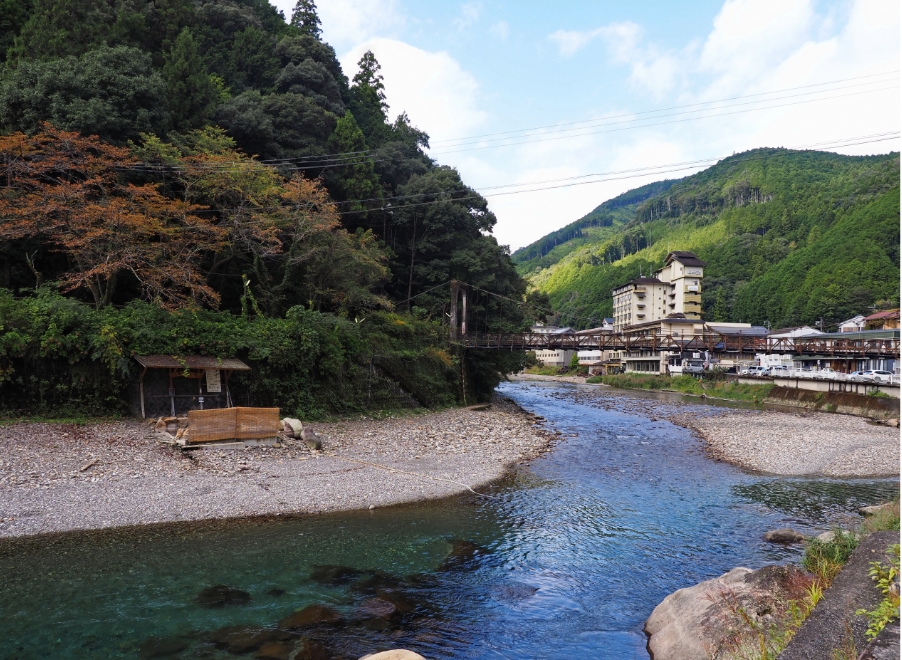
Kawayu: Sennin-buro
This hot spring resort features a river where hot springs bubble up from the riverbed, turning the river itself into a natural bath. In winter, a massive open-air bath called “Sennin-buro” is created by damming the river, offering a truly unique experience beneath the starry sky and rising steam.
Google MapWataze Onsen
Surrounded by mountains, Watase Onsen boasts a large open-air bath that stretches along the river. Visitors can also enjoy outdoor activities such as camping, allowing them to fully experience both the hot springs and the great outdoors.
Google MapYunomine Onsen
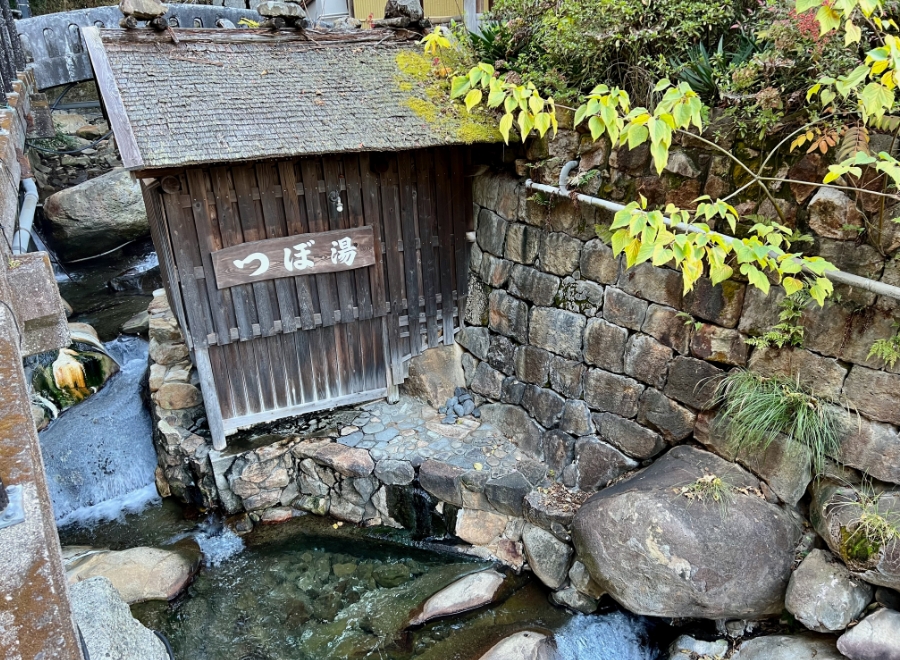
Considered Japan’s oldest hot spring resort, with a history dating back some 1,800 years, Yunomine offers unique experiences such as the World Heritage-listed “Tsuboyu”—where the color of the water is said to change seven times a day—and “onsen-mushi,” a method of steaming ingredients using the natural hot spring water.
Google Map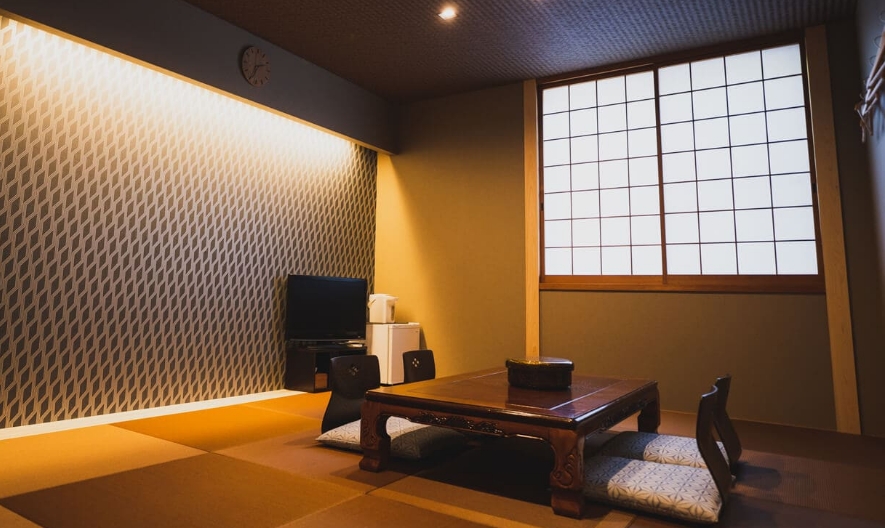
affiliated facility
Minsyuku Takiyoshi
Located on the shores of Kawayu Onsen, our sister property, “Minshuku Takiyoshi,” welcomes travelers with cozy guest rooms and homemade cuisine. After a relaxing soak in the hot springs, please take your time to unwind in the evenings.
Nearby Attractions
Kumano Hongu Taisha
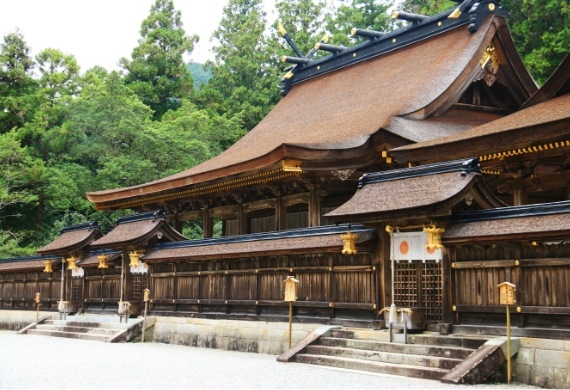
The head shrine of all Kumano shrines across Japan. As the center of the Kumano faith, it has drawn so many worshippers over the centuries that the phrase “ants making the pilgrimage to Kumano” has come to describe the constant stream of visitors. Nestled within a dense grove of cedar trees, the shrine buildings exude a profound sense of power amidst the serene surroundings.
Google Map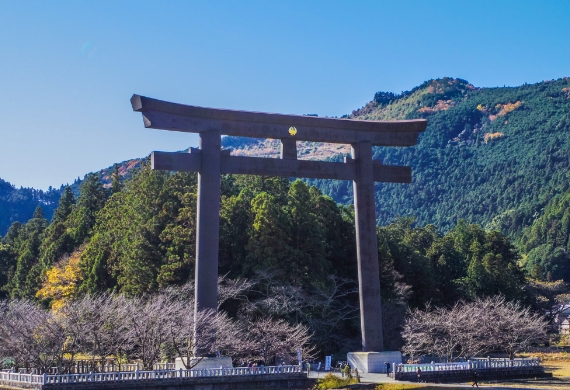
Kumano Hongu Taisha Kyu Shachi Oyunohara
A sacred site stretching across a river sandbar where Kumano Hongu Taisha once stood. Although the shrine buildings were relocated to their current site following the great flood of the Meiji era, Japan’s largest torii gate still stands on the original site, bearing witness to the vastness of the sacred precincts in days gone by.
Google Map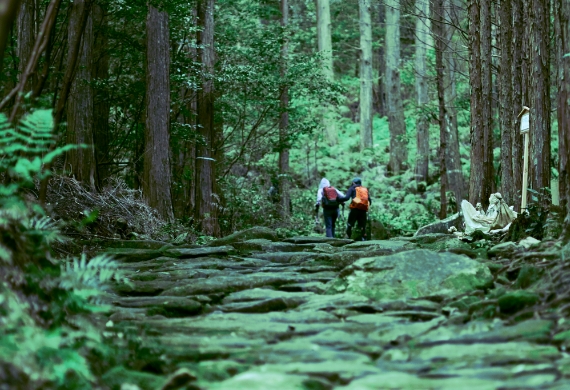
Kumano kodo
The Path of Prayer, a UNESCO World Heritage Site. This ancient trail, which people have walked for over a thousand years, still winds through lush, green mountains. There are also easy-to-hike routes, such as the “Dainichigoe” trail leading from Yunomine Onsen to Hongu Taisha.
Google Map